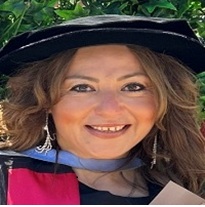
Dr. Gihane Endrawes
Western Sydney University, Sydney Australia
Abstract Title: Using role play to promote staff and students’ cultural empathy: A research into nursing education
Biography:
Research Interests:
Background: Increasing cultural diversity challenges nurses and patients in providing and receiving culturally competent (CC) health care. Educators have a significant role in developing students’ knowledge, skills, and attitudes and adequately preparing them to meet workplace requirements related to cultural awareness and competency. Simulation in the form of role play is found to be an effective educational tool to master the principles of cultural competency. Using simulations to include cultural variables, students can explore cultural diversity, gain experiential learning, work collaboratively with other students who may not share the same cultural backgrounds, and practice in a safe, non-threatening environment. It also encourages students’ critical thinking, reflection, decision-making, problem-solving, interpersonal, and communication skills and empathy. This presentation aims to present a research exploring 1. Explore students cross-cultural awareness, skills, and attitudes and the use of simulation in education. 2. Assess/evaluate the effectiveness of cultural simulation education in increasing students’ cultural awareness and empathy when caring and/or providing services to clients from CALD backgrounds. Method: The study uses a quantitative descriptive survey. Students’ representatives were invited to the co-design of these cultural simulation scenarios. A post-intervention/education survey "Satisfaction with Cultural Simulation Scale" was used to assess the effectiveness of cultural simulation scenarios as a teaching and learning tool. This project is piloted among nursing students undertaking a mental health subject. The primary key message for audience is the importance and effectiveness of using cultural simulation in nursing education to enhance students' cultural competency. This includes understanding how simulations can improve students' cross-cultural awareness, skills, and attitudes, ultimately leading to better care for clients from culturally and linguistically diverse (CALD) backgrounds. This has implications for nurse educators and staff development to use simulation to promote cultural competence in mental health education.